
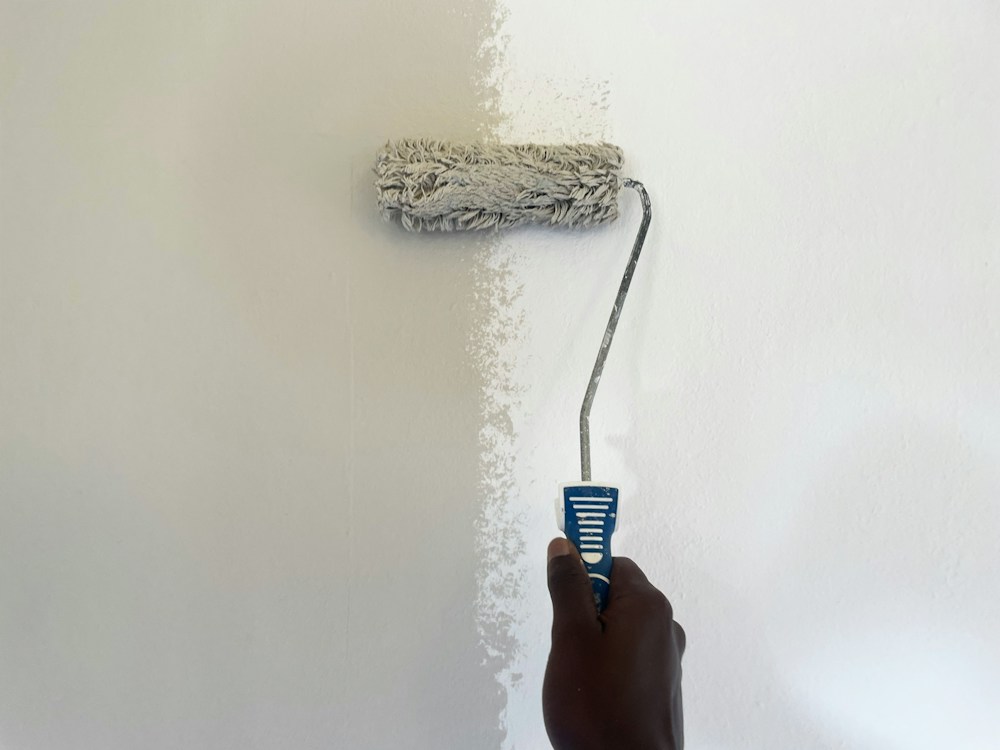
Painting and decoration training in Kenya should help you understand the whole task: assess the surface, select a suitable product system, prepare carefully, apply paint with control and review the result. Learning to use a roller is part of the process, but preparation and judgement are equally important.
Ujenzi College’s Painting and Decorative Finishes short course runs over three weeks at KES 16,000 per learner. The practical outcome is finished sample panels and a simple quotation for a defined painting task.
Surface assessment comes first
A beginner should learn to look for loose paint, contamination, uneven areas and signs that need further investigation. The surface affects preparation and product selection. A sound previously painted wall, new plaster and a board lining should not automatically receive the same treatment.
Training should help you distinguish what you can address in the supervised exercise from issues that need specialist attention. Dampness or an unknown failing coating should be assessed before deciding how to decorate it.
Learn a controlled preparation sequence
Preparation can include protecting the work area, appropriate cleaning, removing unsound material, filling suitable defects and preparing the surface for the specified coating. The sequence and products depend on the substrate and condition.
Manufacturer guidance is product-specific. For example, Crown Paints’ Jewel Silk information distinguishes preparation and coating systems for different surfaces. Use the current label and technical data for the actual paint, rather than assuming one dilution or primer rule works for every product.
Practise application on samples
Sample-based work gives you an area to practise loading a brush or roller, maintaining control and observing the finish. Ask what the trainer wants you to assess: coverage, consistency, edges, texture or a particular decorative effect.
Compare the result after the relevant drying period. A wet surface can appear different from the finished coating. Record the product used, the preparation and the conditions of the exercise so feedback relates to the actual process.
Understand colour and sheen
Colour selection and finish selection are linked but different. A colour identifies the visual tone; sheen describes how the surface reflects light. Texture, lighting and the underlying surface can all influence the appearance.
Use physical samples and consider the intended cleaning needs. Check the manufacturer’s stated use and care instructions. A decorative sample should help the client understand the proposed result before a larger area is approved.
Learn to describe and price a job
A basic quotation should identify what is being painted, the measured area, preparation, product system and responsibilities. Separate materials, labour and other costs so the client can understand the scope.
- Describe walls, ceilings, doors or other surfaces separately.
- State preparation and the proposed coating system.
- Record quantities and prices that need supplier confirmation.
- Include protection, delivery and cleanup where applicable.
- Explain exclusions and how additional work will be agreed.
A single price without this information is difficult to compare and can cause misunderstandings.
Before you enrol
Confirm the timetable, practice materials, tools and required personal protective equipment. Wear suitable clothing and follow the trainer’s instructions for materials, ventilation, dust control and handling.
After the required exercises and assessment, learners receive a Ujenzi Certificate of Completion. This is a focused short course, not a national qualification. Read the course details and enquire about the next intake.