
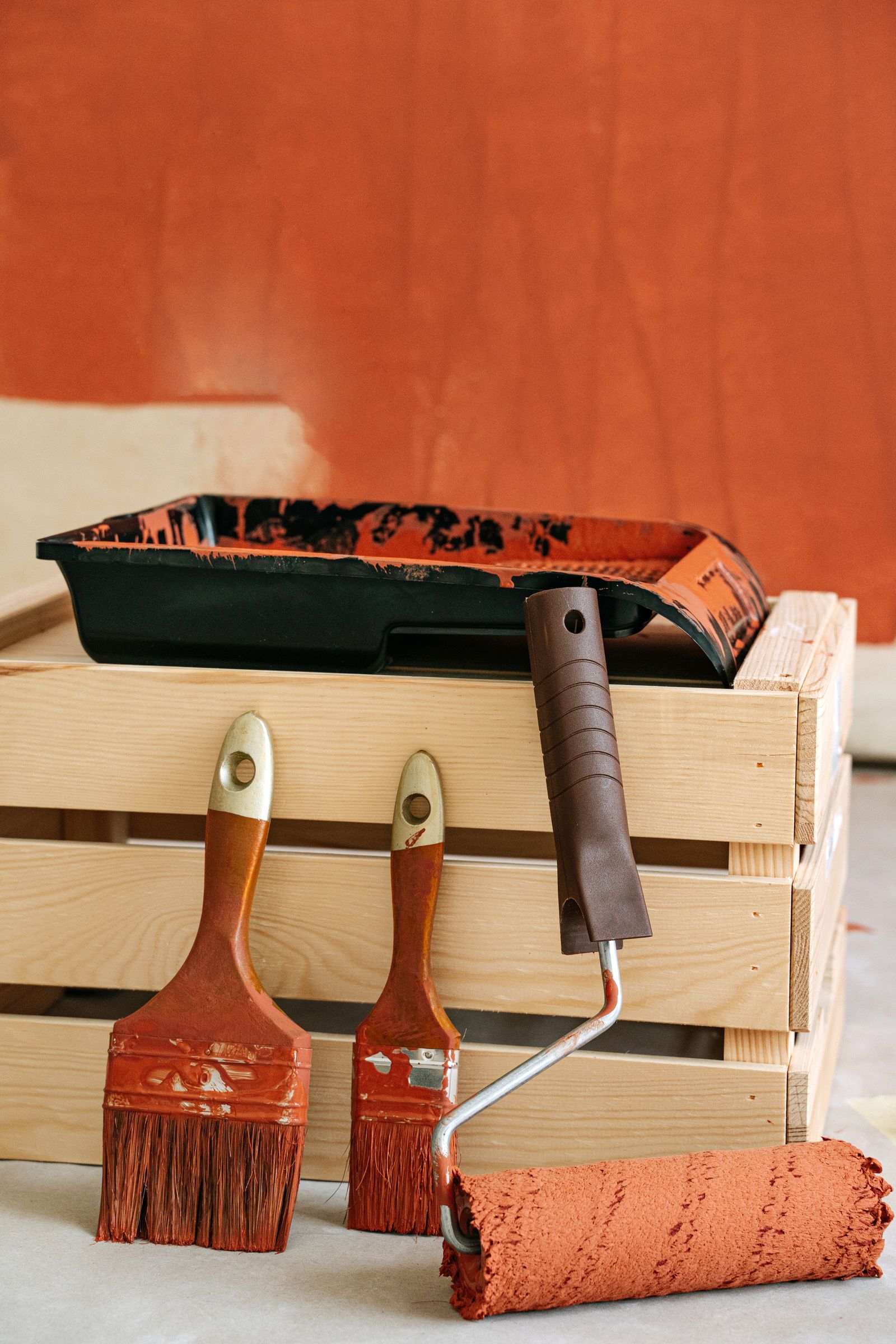
Choose paint brushes and rollers according to the coating, surface and task. A tool that works well on one exercise may produce an unsuitable result on another. The best first step is to read the paint instructions and ask what tool characteristics the selected system requires.
For a beginner, buying fewer suitable tools and learning to use them well is more useful than collecting every available size and style.
Match the tool to the job
Identify whether you are coating a broad wall, a narrow edge, a detailed item or a textured background. Record the product type and finish. Ask the manufacturer or supplier which brush or roller is suitable for that combination.
Roller cover material, pile and size affect handling and the surface produced. Brush shape, size and bristle type affect control. Avoid a universal rule that one roller or brush is suitable for all interior paint.
Use this selection checklist
| Question | What to establish |
|---|---|
| Which coating? | Exact product and tool recommendations |
| Which surface? | Condition, texture and access |
| Which task? | Broad application, edge work or detail |
| Which result? | Approved sample and expected texture |
| Which controls? | Protection, safe access and handling arrangements |
| How will it be cleaned? | Product instructions and suitable waste handling |
Practise control on a suitable sample
Prepare two comparable practice areas with the trainer’s guidance. Use the same paint system and background so the tool comparison is meaningful. Follow the recommended method rather than changing product dilution to compensate for poor handling.
Record how the tool loads and releases paint, the control you achieve and the texture left on the surface. Review the result at the appropriate dry stage. One tool may feel easier to use, but the finished sample must still match the intended requirement.
Keep supporting equipment in the plan
A suitable tray or container, surface protection and an appropriate way to handle the tool all support consistent work. Check handles and connections before use. Organise the workspace so tools do not obstruct routes or damage finished surfaces.
Do not use furniture as access equipment or stretch beyond a safe working position. Where access is difficult, discuss the right arrangement with the trainer or responsible person before proceeding.
Care for tools according to the coating
Follow the product instructions for cleaning and handling residues. Keep cleaning materials appropriate to the coating and the workspace. Do not pour paint or cleaning waste into drains or onto the ground; arrange suitable handling through the responsible site or local waste arrangements.
Record which tool belongs to which product where several materials are being used. Contamination or a damaged tool can affect a later finish.
Make a focused purchase list
After the exercise, identify the tasks you actually need to repeat and which tools performed appropriately. Price those items and the necessary consumables. Confirm what Ujenzi provides before purchasing equipment for a course.
Use the wall preparation guide and painting training overview to keep tool selection connected to preparation, application and review.
Practise with Ujenzi College
Explore Painting and Decorative Finishes for the current course scope, tuition and preparation requirements. Ask admissions about the next class.