
To start learning interior design in Kenya, choose one room and work through a small, complete design exercise. Begin with the people using the space, record its dimensions, test furniture arrangements and explain your choices. This gives you a stronger foundation than collecting attractive photographs without a plan.
You do not need to begin by buying furniture or mastering several software packages. A notebook, pencil, tape measure and access to a room you have permission to study are enough for an initial exercise.
Start with a brief you can actually answer
Describe the room, its users and the problem you want to solve. For example, a Nairobi bedsitter might need a sleeping area, a place to eat and a compact study surface. A family living room may need a clearer route to the balcony and better storage for everyday belongings.
Separate essential requirements from preferences. “Two people need to work here each evening” affects the layout. “I like green” affects the visual direction. Both matter, but they do different jobs. Record a spending limit and list existing items that must stay.
Learn to observe before redesigning
- Measure the room and locate doors, windows, columns and fixed fittings.
- Record how doors open and where people enter and leave.
- Note daylight, glare, existing lighting and power points.
- Photograph the room with permission and label the views.
- Ask what currently feels uncomfortable or inconvenient.
A sketch should make sense to another person. Use one unit consistently and label dimensions rather than expecting a photograph to communicate size. If a measurement seems unusual, check it again before building your proposal around it.
Make two layouts, then compare them
Draw the room to a workable scale and add the actual sizes of the furniture you intend to use. Compare at least two arrangements. Look at routes through the room, access to storage and the relationship between furniture and natural light.
Test your favourite layout in the actual space using temporary floor markers where appropriate. Can someone open a cupboard? Is the study chair blocking the route to the door? This simple review can reveal more than an elaborate visualisation.
Add colour and materials with a reason
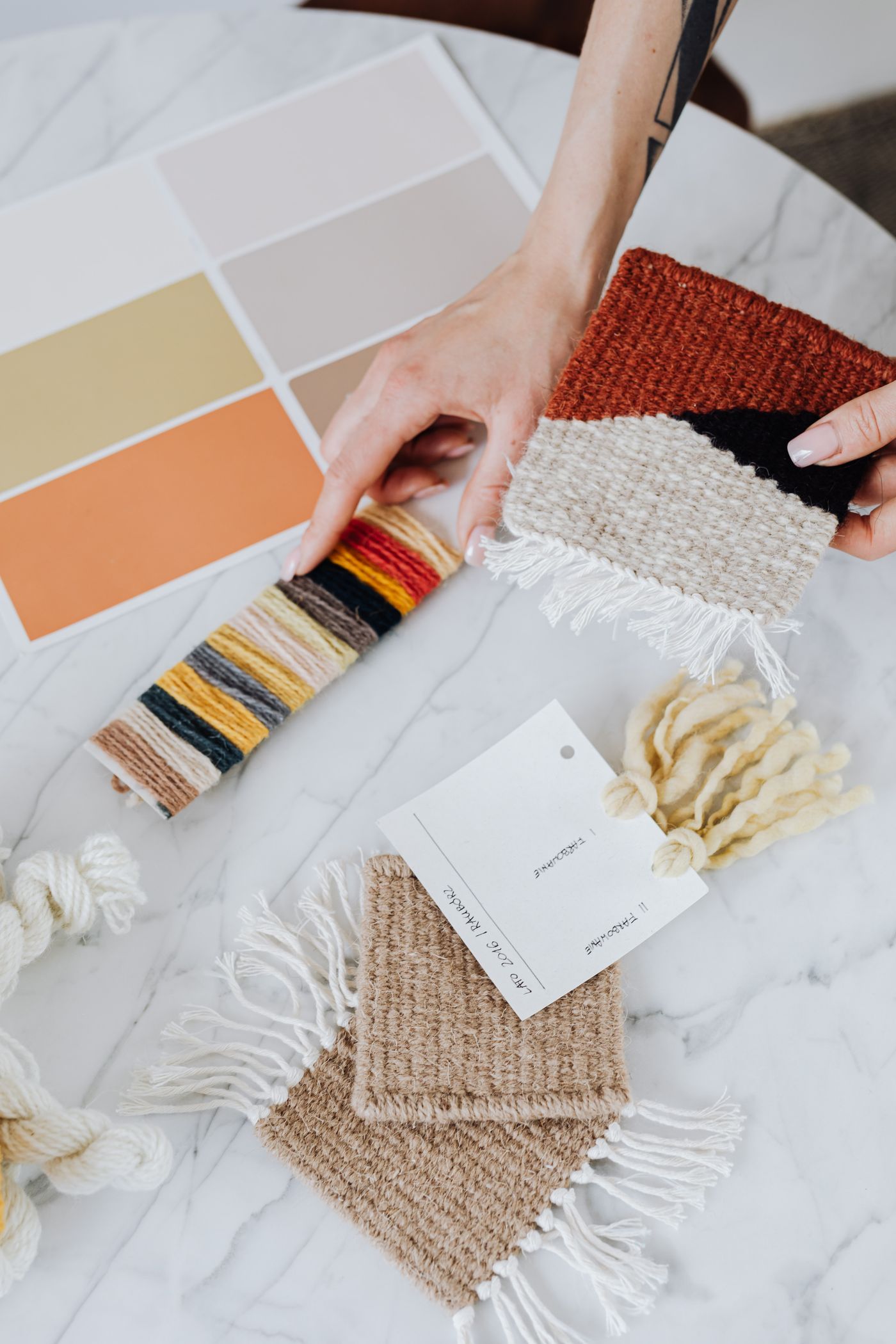
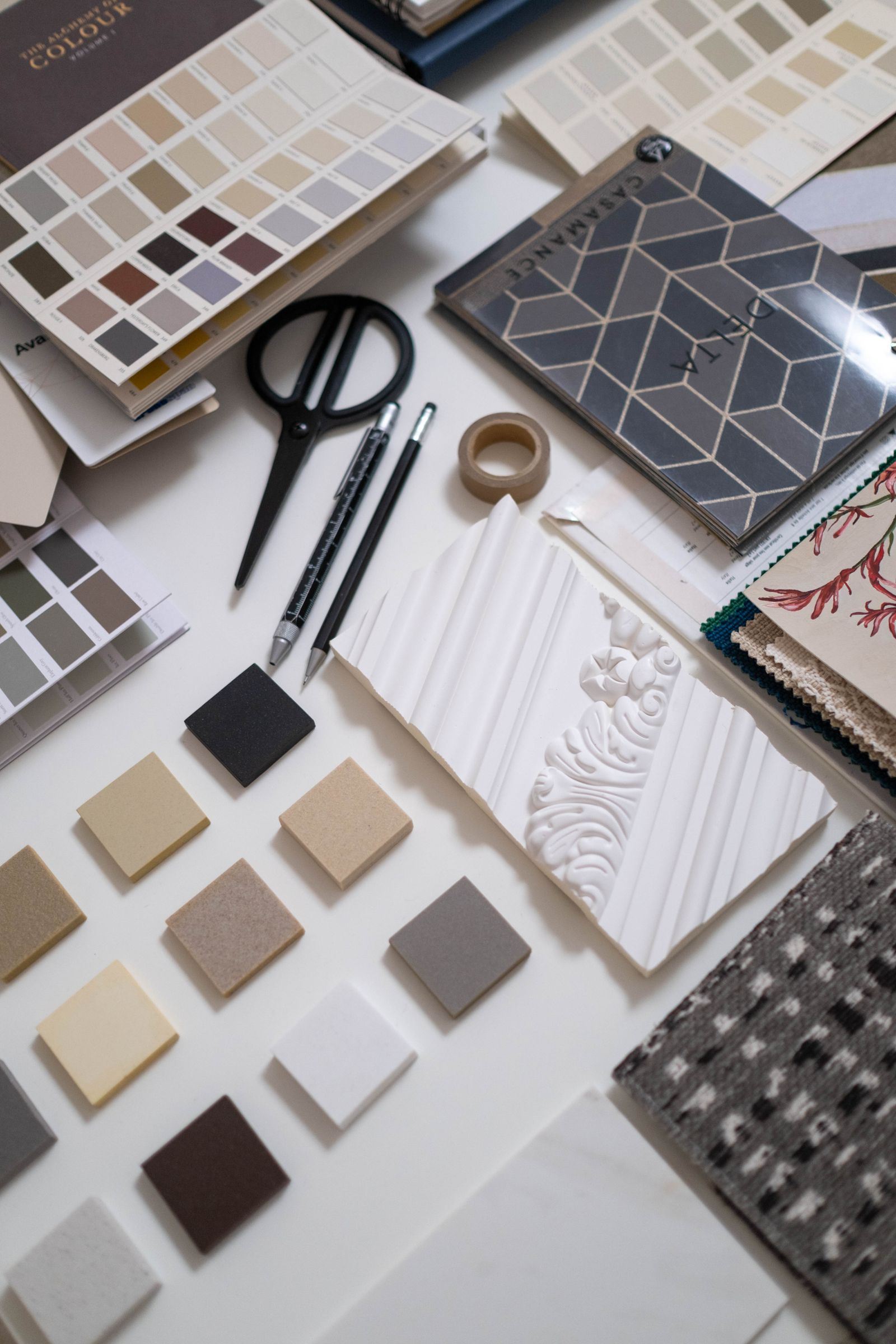
Build a small mood board around the brief. Include a wall colour, a main material or textile, and a few supporting references. Explain why each choice suits the user, maintenance needs and budget. Check physical samples in the room before committing to an order; screens and showroom lights can change how a colour appears.
For a first project, limit the number of new decisions. Keeping an existing sofa and designing around its size and fabric can be a useful constraint. It encourages you to solve a real problem rather than invent an unlimited-budget room.
Turn the idea into a basic budget
List each proposed purchase, the quantity needed and a dated supplier quote. Include delivery, installation and preparation work where relevant. Mark prices that still need confirmation. A design proposal becomes more useful when someone can see what it would take to implement.
Use Interiors Kenya as one starting point for discovering products and suppliers, then verify current availability, specifications and prices directly. A reference image alone is not a product specification.
Get feedback and revise
Present your brief, measured sketch, chosen layout, mood board and budget together. Ask someone to explain the room back to you. If they cannot understand the circulation or priorities, improve the presentation.
Interior Design Essentials at Ujenzi develops this room-proposal approach over two weeks, with eight guided hours plus exercises, for KES 12,000. Ask about the next class and confirm the timetable before enrolling.